Reaction training is crucial for racing drivers as it helps improve their reflexes, coordination, and ability to respond quickly to unexpected situations on the track. Here are some effective reaction training exercises for racing drivers:
- Reaction Ball: The reaction ball is a small, multi-sided rubber ball that bounces unpredictably. Stand in an open space and throw the ball against a wall or bounce it on the ground. As the ball rebounds, react quickly and catch it or hit it back with your hands. The unpredictable nature of the ball helps train your reflexes and hand-eye coordination.
- Light Box Drills: Set up a series of light boxes or reactive light training systems in a specific pattern or sequence. When a light illuminates, react quickly and touch it as fast as possible. These drills help improve your reaction time and coordination.
- Cone Drills: Set up a series of cones in a random pattern or sequence. As you approach each cone, react quickly and change direction. Practice various cone drill patterns, incorporating different movements such as lateral shuffles, sprints, and quick turns. This helps improve your reaction time, agility, and body control.
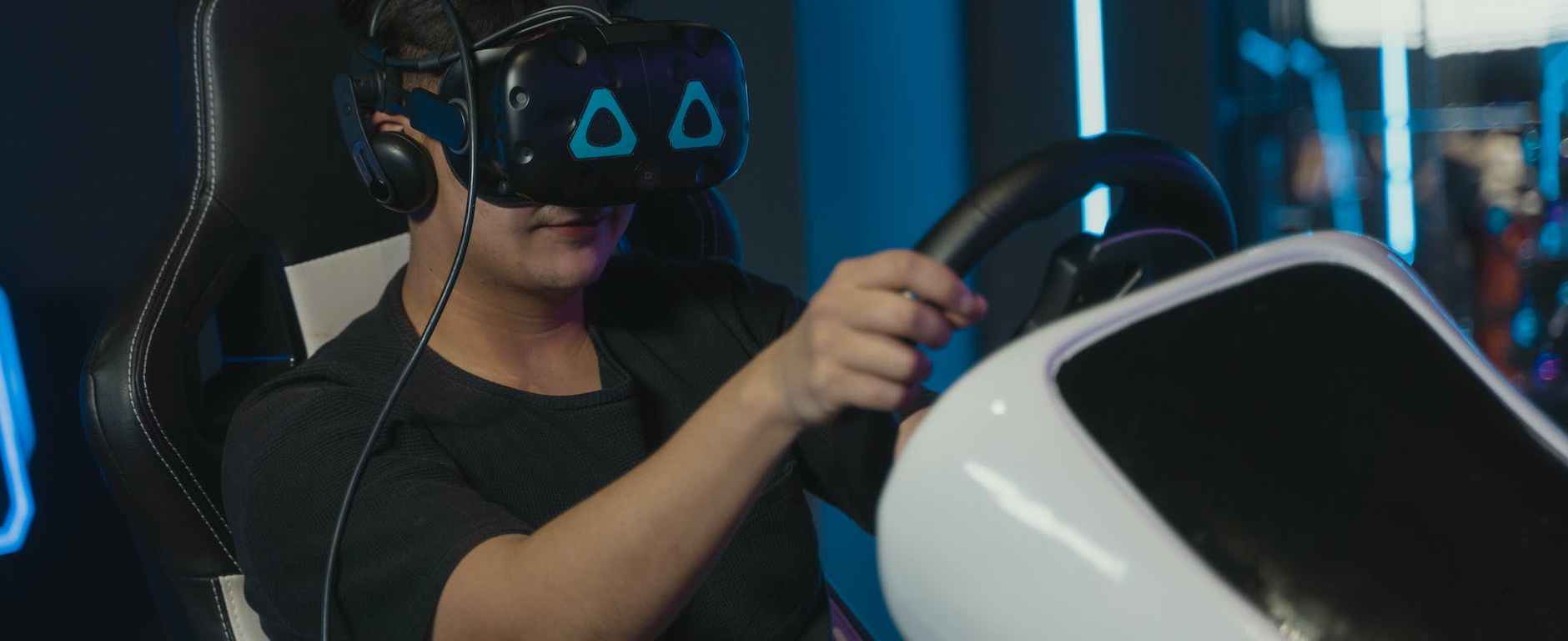
- Virtual Simulations: Utilize racing simulators or virtual reality (VR) platforms that provide realistic racing scenarios. These simulations challenge your reaction time, decision-making, and ability to adapt to changing circumstances on the track. Regular practice in virtual environments can help improve your reaction skills and overall racing performance.
- Reactive Training Tools: Incorporate reactive training tools, such as agility ladders, agility hurdles, and reaction balls, into your training routine. Perform drills that require quick footwork, rapid changes of direction, and immediate reaction to visual or auditory cues. These tools enhance your reflexes, coordination, and responsiveness.
- Hand-Whip Exercises: Have a partner or trainer stand a few feet away from you, holding a towel or resistance band. Without warning, they quickly whip the towel or band in various directions. Your task is to react swiftly and try to catch or dodge the moving object. This exercise improves your reflexes and enhances your ability to respond to sudden movements.
Remember to start with slower speeds and simpler drills, gradually increasing the difficulty as your reaction skills improve. Focus on maintaining proper form and technique throughout the exercises. Consistency and regular practice are key to maximizing the benefits of reaction training.
 Driver Seventy Four