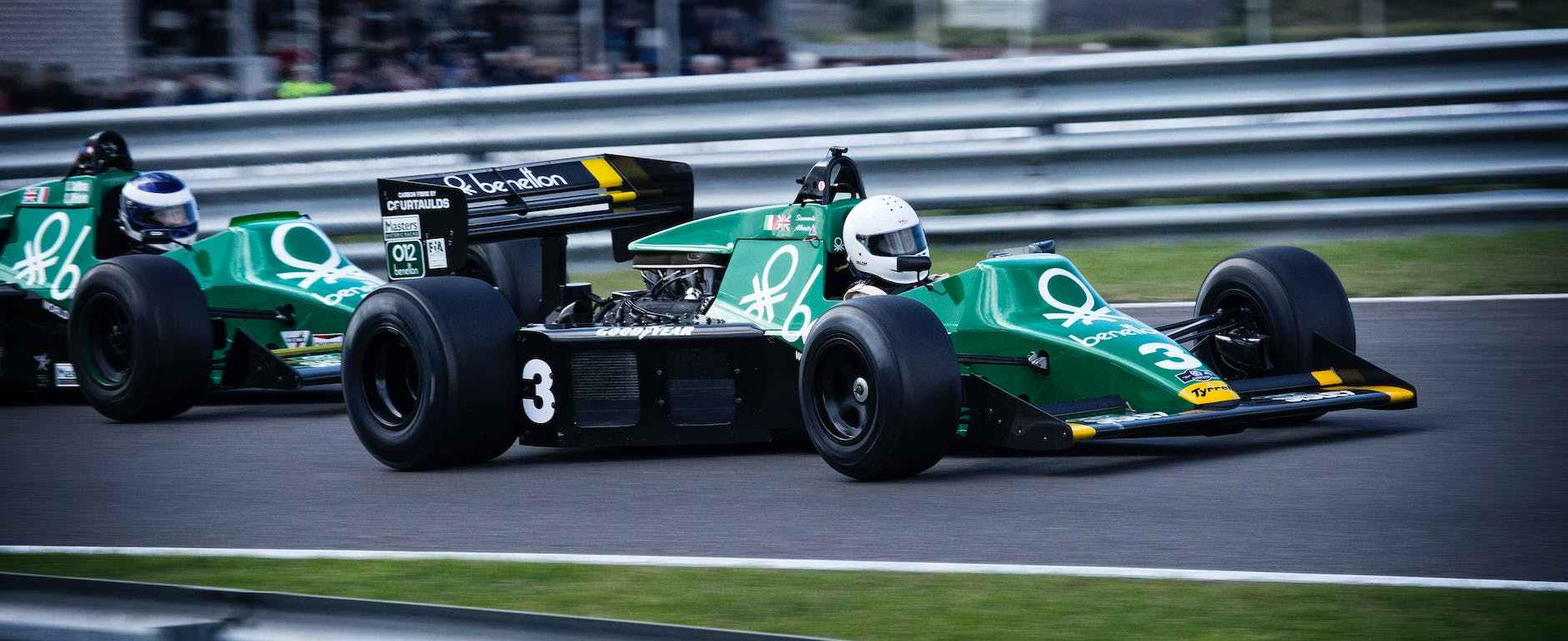
Aerodynamics and vehicle dynamics play a crucial role in the quest for speed and performance in racing. Racing teams and engineers meticulously study and optimize these aspects to gain a competitive edge on the track. Let’s delve into the science behind aerodynamics and vehicle dynamics in racing:
Aerodynamics:
Aerodynamics refers to the study of how air flows around an object and the forces it generates. In racing, aerodynamics focuses on reducing drag and increasing downforce to enhance a vehicle’s performance. Here are some key elements of aerodynamics in racing:
- Streamlining and Drag Reduction: The shape of a racing car is meticulously designed to minimize drag, which is the resistance encountered by a vehicle moving through the air. Streamlining techniques, such as sculpting the bodywork, adding aerodynamic appendages (e.g., wings and splitters), and optimizing the vehicle’s contours, are employed to reduce drag and maximize straight-line speed.
- Downforce: Downforce is the downward force generated by airflow interacting with the vehicle’s surfaces. It improves traction and stability, enabling higher cornering speeds. Aerodynamic elements, such as wings and diffusers, are strategically placed to generate downforce by manipulating the airflow and increasing the pressure on specific areas of the car.
- Balance and Stability: Achieving the right balance and stability is crucial for optimal handling and performance. By carefully adjusting the distribution of downforce between the front and rear of the car, engineers can fine-tune the vehicle’s handling characteristics, responsiveness, and grip through corners.
Vehicle Dynamics:
Vehicle dynamics encompasses the study of how a vehicle moves and responds to various forces during acceleration, braking, and cornering. Racing teams analyze and optimize vehicle dynamics to achieve the best possible performance. Here are some key aspects of vehicle dynamics in racing:
- Weight Distribution: Proper weight distribution is essential for optimizing grip, stability, and handling. By adjusting the distribution of weight between the front and rear axles, teams can fine-tune the vehicle’s balance and responsiveness to different driving conditions.
- Suspension Setup: The suspension system plays a crucial role in controlling the vehicle’s movements and maximizing tire contact with the road surface. Suspension parameters, such as spring rates, damping, and ride height, are carefully calibrated to ensure optimal handling, grip, and responsiveness.
- Tire Technology: Tires are the only point of contact between the car and the road, making tire technology vital in vehicle dynamics. Racing teams select tire compounds and designs that offer the best grip, durability, and performance for specific track conditions. Tire pressures and temperature management are also critical factors that affect traction and handling.
- Braking and Acceleration: The ability to decelerate and accelerate efficiently is key in racing. Optimizing braking performance involves selecting the appropriate brake materials, cooling systems, and balance to ensure consistent and effective stopping power. Acceleration performance is enhanced through powertrain optimization and maximizing traction during launches.
- Data Analysis and Simulation: Advanced data acquisition systems and simulation tools are employed to analyze vehicle dynamics in real-time and during post-race analysis. This allows engineers to fine-tune setup parameters, evaluate performance, and identify areas for improvement.
A deep understanding of aerodynamics and vehicle dynamics is essential for achieving peak performance in racing. By utilizing cutting-edge technologies, simulation tools, and extensive testing, racing teams and engineers continually strive to improve aerodynamic efficiency, maximize downforce, optimize weight distribution, and fine-tune vehicle dynamics to gain an advantage on the track. The science of speed is a continuous pursuit of refining these elements to extract every ounce of performance from a racing machine.
 Driver Seventy Four