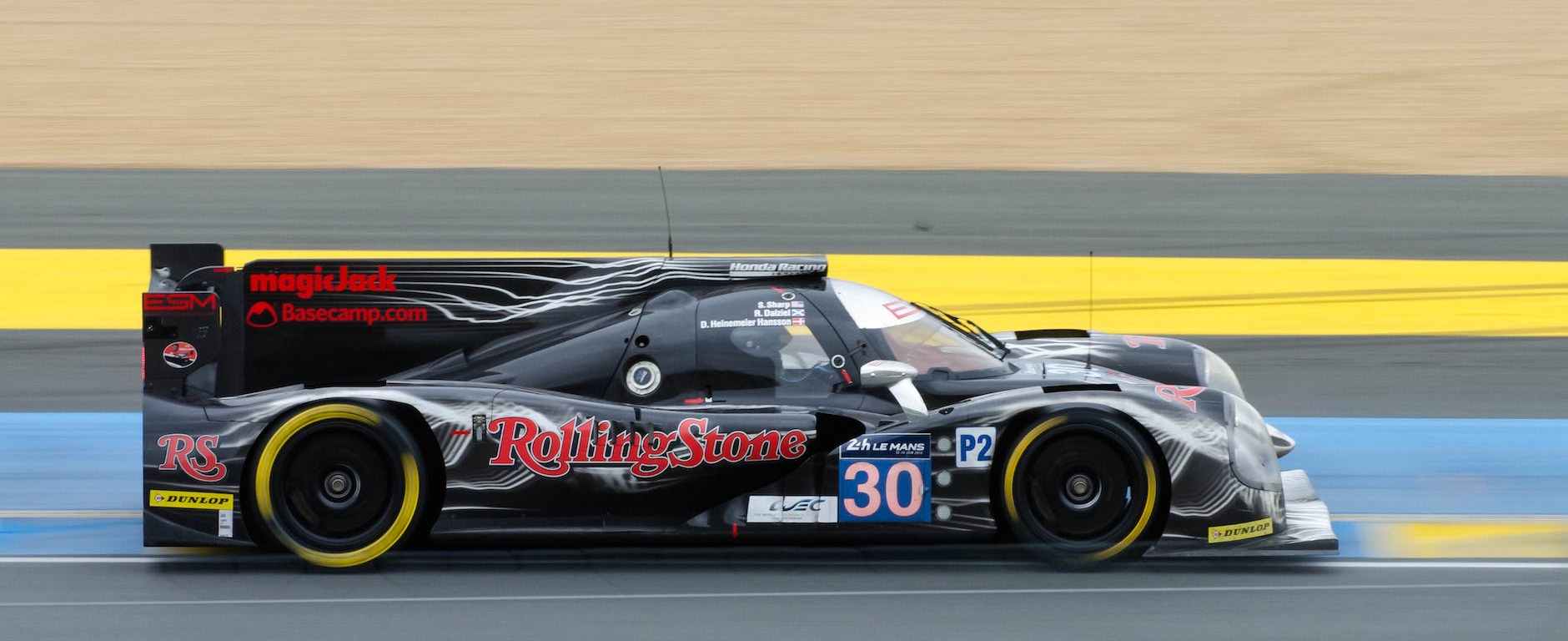
The 24 Hours of Le Mans is one of the most prestigious and iconic endurance races in the world. But the first time I watched it, it was all a bit baffling, so this is my best attempt at explaining how it all works…
First, the basics: It takes place annually near the town of Le Mans, France. The event has a rich history dating back to its inception in 1923. Here’s an overview of the history of the 24 Hours of Le Mans:
- Origins: The idea for the race was conceived by French automotive journalist Georges Durand, who wanted to create an endurance race that would showcase automotive technology and push the limits of both drivers and cars. The inaugural race was held on May 26-27, 1923, with a starting field of 33 cars.
- Circuit de la Sarthe: The race takes place on the Circuit de la Sarthe, a combination of public roads and a dedicated racetrack. Over the years, the circuit has undergone various modifications and safety improvements to accommodate faster cars.
- Evolution of the Race: In its early years, the 24 Hours of Le Mans featured a Le Mans start, where drivers had to run across the track to their cars and start the race. This practice was discontinued in 1970 due to safety concerns. The race format has remained largely unchanged, with teams of two or three drivers taking turns to drive throughout the 24-hour duration.
- Legendary Manufacturers: The race has attracted numerous legendary manufacturers over the years, including Bentley, Alfa Romeo, Ferrari, Porsche, Ford, and Audi. These manufacturers have battled fiercely for overall victories and class wins, with their cars becoming iconic symbols of endurance racing.
- Tragic Incidents: The history of the 24 Hours of Le Mans is not without its tragedies. In 1955, a horrific crash occurred at Le Mans, resulting in the deaths of 83 spectators and the driver Pierre Levegh. The accident led to significant safety improvements in motorsport, including the introduction of safety barriers and the implementation of stricter regulations.
- Unforgettable Moments: The race has witnessed numerous memorable moments. These include intense battles between rival manufacturers, dramatic last-lap finishes, and remarkable comebacks from setbacks. Each year, the race produces new stories of triumph and heartbreak.
- Record Breakers: Over the years, records have been set and broken at Le Mans. This includes the distance covered in a single race, the number of overall wins by a manufacturer or driver, and the fastest lap times.
- Global Popularity: The 24 Hours of Le Mans has gained a worldwide following and attracts motorsport enthusiasts from around the globe. It has become a testbed for technological innovation and showcases the endurance and skill of drivers and teams.
So – how does the actual race work?
The 24 Hours of Le Mans is a multi-class endurance race that challenges teams and drivers to compete for a full day and night. Here’s some information about the race format, classes, and other key aspects:
Race Format:
- Duration: The race lasts for 24 hours, typically starting on a Saturday afternoon and finishing on Sunday.
- Circuit: The race takes place on the Circuit de la Sarthe near the town of Le Mans, France. The circuit is a combination of permanent track sections and public roads, totaling approximately 13.6 kilometers (8.5 miles) in length.
- Driver Rotation: Each team consists of two or three drivers who take turns driving the car during the race. Drivers rotate through shifts, typically lasting between one and three hours, to manage fatigue and ensure a continuous presence on the track.
Classes:
The 24 Hours of Le Mans features multiple classes, allowing different types of cars to compete against one another. The main classes are:
- LMP1 (Le Mans Prototype 1): This class features purpose-built prototype cars that are the pinnacle of endurance racing technology. LMP1 cars are known for their exceptional speed, advanced aerodynamics, and hybrid powertrains.
- LMP2 (Le Mans Prototype 2): LMP2 class is also comprised of prototype cars but with more standardized chassis and less advanced technology compared to LMP1. LMP2 teams typically consist of professional and amateur drivers.
- LM GTE Pro (Le Mans Grand Touring Endurance Pro): This class consists of production-based grand touring cars with professional driver lineups. The cars in this class are derived from road-going models and undergo modifications for enhanced performance and safety.
- LM GTE Am (Le Mans Grand Touring Endurance Am): Similar to LM GTE Pro, this class features grand touring cars, but with lineups consisting of a mix of professional and amateur drivers. The cars in this class are subject to certain restrictions to balance performance.
Other Aspects:
- Pit Stops: During the race, teams make scheduled pit stops for refueling, tire changes, driver swaps, and repairs. Pit stop strategy plays a crucial role in managing fuel consumption and optimizing the team’s overall performance.
- Safety Cars: In the event of an accident or unsafe conditions, a safety car may be deployed to slow down the field, allowing for track clearance or repairs.
- Scoring: The winner is determined based on the car that covers the greatest distance within the 24-hour time frame. Separate class winners are also recognized for each class.
- Prestige and History: The 24 Hours of Le Mans is one of the most prestigious races in motorsport, with a rich history spanning nearly a century. It attracts top manufacturers, teams, and drivers, and winning the race is considered a significant achievement in the world of endurance racing.
The 24 Hours of Le Mans showcases a unique blend of speed, strategy, teamwork, and endurance, making it a highly anticipated and exciting event for motorsport enthusiasts around the world.
This year, in the UK the 24 Hours of Le Mans is being shown on Eurosport and Discovery+.
 Driver Seventy Four